Supercharge Your Vitamin C Intake with Brussels Sprouts
- Dec 1, 2025
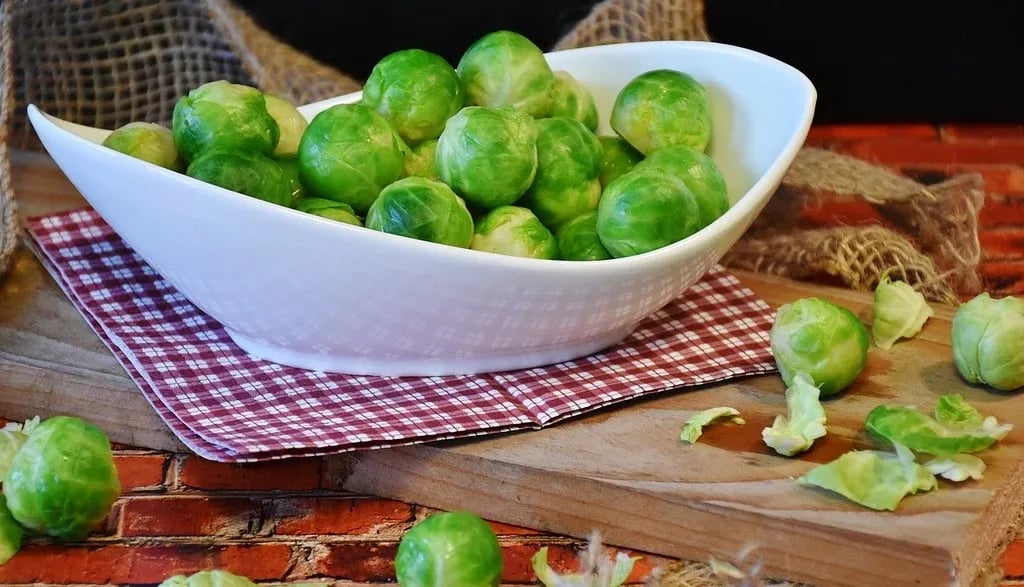
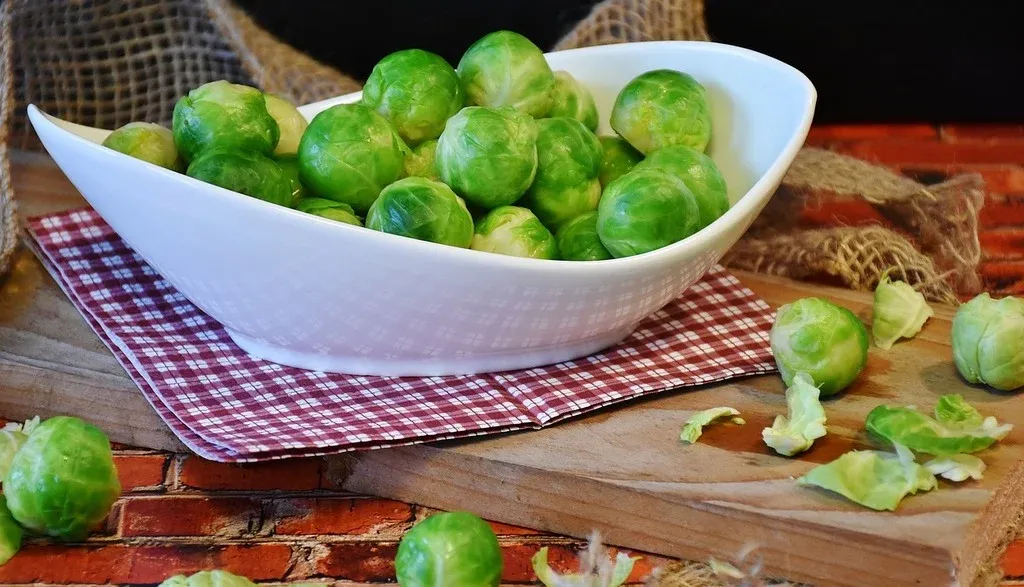
The mighty Brussels sprout is a secret nutritional powerhouse, offering up nearly triple the vitamin C content found in a serving of red cabbage, though both vegetables are important sources of this crucial nutrient.
In a vitamin C face-off, a 3.5-ounce (oz) serving of Brussels sprouts emerges as the clear winner. In their raw state, Brussels sprouts can provide between 159% and 191% of your recommended daily intake of vitamin C. In contrast, neither red nor green cabbage will deliver even half of the vitamin C found in a similarly-sized portion of Brussels sprouts.
However, the nutritional content of these vegetables can change significantly once cooked. Vitamin C is a water-soluble nutrient that's also highly sensitive to heat, consequently, the vitamin C profile in both Brussels sprouts and cabbage is likely to diminish when they’re boiled or steamed.
When it comes to cooking methods, research indicates that microwaving vegetables causes the least vitamin C loss, while boiling can lead to the most significant reduction. Steaming will also reduce nutrient content, though it’s less drastic than boiling due to less direct water contact and exposure to lower heat levels. To retain as much vitamin C as possible, microwaving and steaming are recommended, alongside keeping cooking times to a minimum.
Vitamin C, also known as an antioxidant, provides a range of benefits to the human body, which itself does not naturally produce vitamin C. We, therefore, need to rely on dietary sources such as Brussels sprouts or cabbage for our daily vitamin C intake.
A diet that features either Brussels sprouts or cabbage in conjunction with other vitamin-rich fruits and vegetables can substantially contribute to your daily vitamin C requirements. Even boiled red cabbage, which carries the lowest vitamin C content of any form of cabbage, still provides between 38% and 46% of your daily intake in a single serving.
While vitamin C deficiency is relatively uncommon in developed nations like the United States, thanks to a wide array of vitamin C-rich foods readily available, those who don’t eat a balanced diet for any reason might risk a deficiency.
In the great sprouts versus cabbage debate over vitamin C, the winner is Brussels sprouts, but both these nutritious vegetables deserve their place on your plate. So, go ahead and savor flavorful Brussels sprouts or crisp cabbage and give your body the vital vitamin boost it needs, suggests Sarah Bence, OTR/L, an experienced occupational therapist with experience in mental health care settings.