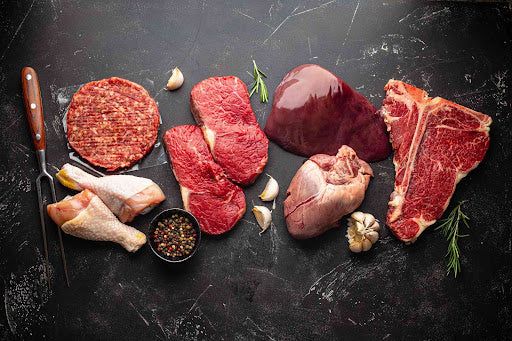
Understanding Your Meat Intake: The Essential Guide
- Dec 1, 2025
Balancing your meat consumption can be the key to a healthier diet. Your overall well-being, including your age, health status, and personal beliefs, all play a crucial role in determining precisely how much meat should be part of your typical dietary intake. Most adults, with a preference for animal protein in their diet, have lean meat as a staple component in a balanced meal plan.
Nina Geiker, Ph.D., a Clinical Nutrition specialist and the Research Head at Denmark's Centre for Childhood Health, confirms that a wholesome diet indeed includes meat in combination with fruits, water, grains, vegetables, and fish. Various meat types, including fish, poultry, and red meat, provide numerous essential vitamins, minerals, and nutrients for maintaining overall health. Yet, it's important to strike a balance because excessive meat intake can heighten life-threatening health issues such as diabetes, heart disease, and colon polyps.
Understanding meat serving sizes is also vital. Usually, a meat serving is about 3 to 4 ounces, akin to a deck of cards or your palm size, ideally a lean cut to reduce unhealthy fats and cholesterol.
Consuming lean meat that's rich in high-quality protein benefits muscle repair, bone health, and the immune function. Animal proteins already encase all the necessary amino acids, unlike plant protein sources, making them a significant provider of essential vitamins and minerals with high bioavailability, underlines Geiker. However, it's also worth noting that overconsumption, especially of red meat, can pose health risks. Animal proteins, particularly those in fattier cuts that visibly present fat and marbling can augment the risk of chronic health illnesses such as diabetes and heart disease.
Facilitating balance in your nutrition plan, Courtney Pelitera, a Dietitian-Nutritionist at Live It Up, Rochester, New York, advises focusing on lean meat as an essential part of a healthy diet. Lean meat aids in meeting protein intake, preserving muscle mass, and managing hunger.
Nutrition guidelines steer more towards weekly protein (plant or animal-based) recommendations than specific meat types suggestions, typically settling at 26 oz of animal protein including lean meats and poultry. However, relatively lower red meat consumption is recommended due to high saturated fat levels. Red meat should ideally be limited to a maximum of 18 oz per week, which is approximately three or four servings.
Processed meats should ideally be avoided or limited at the most, with a focus on lean fresh sources. The negative health implications of processed meat consumption are well documented, showing increased chances of heart disease, cancer, and type 2 diabetes. However, healthier alternatives can be considered, such as low-sodium nitrate-free turkey bacon or low-fat and low-sodium luncheon meats.
As far as poultry and fish are concerned, a portion of white meat like turkey, chicken, or duck fits into the weekly dietary plan for a 2,000-calorie diet, about three or four times a week. However, it's best to select lean, unprocessed poultry and avoid ones injected with fats or brines. Seafood and fish are considered separate from other meats and should ideally form 8 oz of your weekly consumption to leverage the omega-3 benefits, supporting brain and heart health.
In a nutshell, meat offers considerable benefits as part of a balanced diet as long as the type, consumption amount, and preparation method are factored in to keep it healthy. It's highly advised to limit red meat to avoid potential health risks and steer clear of processed meats. Pregnant and lactating women should be particularly attentive to fish intake since certain species can contain high mercury levels.